Viscount Linley (David Armstrong-Jones): From Royal Heritage to Master Craftsman

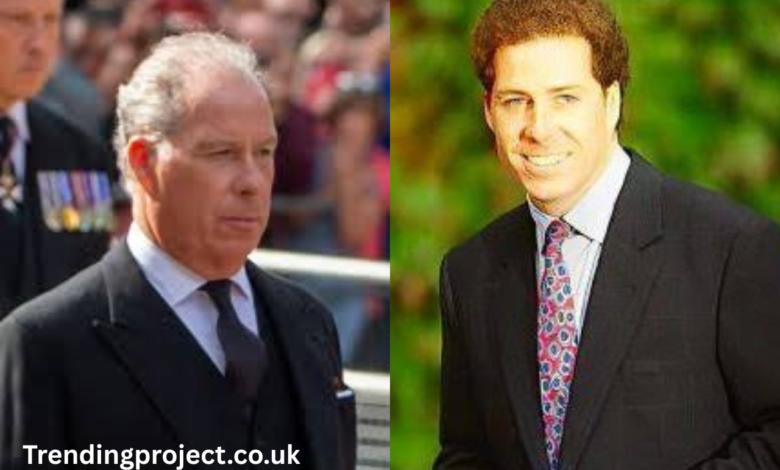
Few members of the British royal family have successfully built an identity beyond their royal title quite like David Armstrong-Jones, who was known for most of his life as Viscount Linley. While many people recognize him because he is the son of Princess Margaret and the nephew of Queen Elizabeth II, his reputation has been earned through his remarkable work as a furniture designer, entrepreneur, author, and patron of the arts. Rather than relying solely on his royal connections, he spent decades creating handcrafted luxury furniture that became admired around the world for its exceptional craftsmanship and timeless elegance. His journey is one of creativity, determination, and a commitment to preserving traditional British design while embracing modern luxury.
Table of Contents
ToggleToday, although he officially holds the title of 2nd Earl of Snowdon, many people still search for him as Viscount Linley, the title he carried from birth until inheriting his father’s earldom in 2017. Throughout his career, he has remained professionally known as David Linley, a name closely associated with bespoke furniture, interior design, and British craftsmanship. His work has decorated royal residences, luxury hotels, and private homes belonging to influential clients from across the world.
His life represents an unusual balance between royal tradition and entrepreneurial ambition. While surrounded by history and privilege from childhood, he chose a profession that required patience, artistic skill, and years of practical experience. That decision shaped his reputation far beyond Britain’s royal circles and established him as one of the country’s most respected luxury furniture makers.
Quick Facts About Viscount Linley
| Fact | Details |
|---|---|
| Full Name | David Albert Charles Armstrong-Jones |
| Former Title | Viscount Linley |
| Current Title | 2nd Earl of Snowdon |
| Professional Name | David Linley |
| Date of Birth | 3 November 1961 |
| Age | 64 (as of 2026) |
| Birthplace | Clarence House, London, England |
| Nationality | British |
| Profession | Furniture Designer, Entrepreneur, Author |
| Father | Antony Armstrong-Jones, 1st Earl of Snowdon |
| Mother | Princess Margaret |
| Sister | Lady Sarah Chatto |
| Grandparents | King George VI and Queen Elizabeth The Queen Mother |
| Cousin | King Charles III |
| Education | Bedales School, Parnham House |
| Children | Charles Armstrong-Jones, Lady Margarita Armstrong-Jones |
| Estimated Net Worth | Estimated several million pounds (not officially disclosed) |
| No verified public account | |
| X (Twitter) | No verified public account |
| No official public profile |
Early Life and Royal Family Background
David Armstrong-Jones entered the world on 3 November 1961 at Clarence House in London, one of Britain’s most historic royal residences. His birth attracted enormous public attention because he was the first child of Princess Margaret, the younger sister of Queen Elizabeth II, and celebrated photographer Antony Armstrong-Jones, who had recently been created the 1st Earl of Snowdon. As the couple’s eldest child, David received the courtesy title Viscount Linley, which remained part of his identity for more than five decades.
Growing up inside the royal family exposed him to traditions, ceremonies, and public responsibilities from a very young age. Yet his upbringing differed from many royals because his father was an internationally respected photographer and designer whose creative interests filled the family home with artists, architects, writers, and innovators. This unusual combination of royal heritage and artistic influence encouraged David to appreciate craftsmanship rather than simply status.
His younger sister, Lady Sarah Chatto, also developed a strong artistic background, becoming an accomplished painter. Together, the siblings experienced a childhood that balanced royal protocol with creativity, helping shape David’s lifelong appreciation for design, architecture, and handmade craftsmanship.
Education and Discovering a Passion for Craftsmanship
Unlike many members of the royal family who pursued military service or traditional public roles, David Armstrong-Jones followed a path driven by creativity. He attended Bedales School in Hampshire, an independent school well known for encouraging artistic expression, practical learning, and independent thinking. It was here that he developed a genuine love for woodworking, furniture making, and craftsmanship. Teachers quickly noticed that he possessed both patience and remarkable attention to detail—qualities that would later define his professional career.
Instead of choosing a university education, David continued his specialist training at Parnham House School for Craftsmen in Wood in Dorset from 1980 to 1982. The institution was regarded as one of Britain’s leading centers for fine woodworking and furniture design. Under the guidance of renowned furniture designer John Makepeace, he learned traditional cabinet-making techniques, wood marquetry, precision joinery, and luxury furniture design. This intensive training transformed a personal hobby into a lifelong profession.
His education demonstrated an important aspect of his character: despite belonging to one of the world’s most famous royal families, he wanted to build a career based on skill rather than privilege. The craftsmanship he learned during these years continues to influence every piece associated with the LINLEY brand, which is admired for combining traditional British techniques with contemporary luxury design.
Career Journey: Building the LINLEY Luxury Brand
After completing his training, David opened a small woodworking workshop in Dorking, Surrey, where he personally designed and built bespoke furniture for private clients. Those early years were demanding. He worked directly with wood, experimented with different materials, and refined his design philosophy. Rather than producing furniture in large quantities, he focused on creating heirloom-quality pieces that emphasized craftsmanship, elegance, and originality.
In 1985, he founded David Linley Furniture Limited, later shortened simply to LINLEY. The company quickly became synonymous with luxury interiors, handcrafted furniture, marquetry, decorative accessories, and bespoke home design. LINLEY distinguished itself by using rare woods, intricate inlays, and meticulous craftsmanship. Wealthy homeowners, luxury hotels, royal residences, and international collectors became regular clients, helping establish the company as one of Britain’s most respected luxury furniture brands.
As the business expanded, David also authored books on furniture, architecture, and interior design while delivering lectures around the world. His expertise extended beyond furniture making into broader discussions about design heritage, conservation, and British craftsmanship. Although the company later underwent financial restructuring, including the sale of controlling shares in 2012, the LINLEY name remained internationally respected and continued to represent exceptional quality and timeless design.
Leadership Beyond Furniture and Christie’s
David’s reputation as a businessman eventually led him into the art and auction world. In 2005 he joined the board of Christie’s, one of the world’s most prestigious auction houses, as a non-executive director. The following year he became Chairman of Christie’s UK, later serving as Honorary Chairman. His deep appreciation for antiques, decorative arts, furniture, and design made him a natural fit for the organization.
His work at Christie’s allowed him to collaborate with leading collectors, historians, artists, and designers from across the globe. Rather than focusing solely on auctions, he promoted appreciation for craftsmanship and historical design, helping bridge traditional collecting with contemporary luxury markets. This role further strengthened his reputation as an authority on British decorative arts.
Throughout his professional life, David has successfully balanced entrepreneurship with cultural leadership. Whether creating handcrafted furniture, advising collectors, or supporting design initiatives, he has consistently demonstrated that artistic excellence and commercial success can complement one another. His influence reaches well beyond the royal family into the broader worlds of luxury interiors, architecture, and British design.
Major Achievements, Awards, and Lasting Influence
David Armstrong-Jones, widely known as David Linley, has spent decades building a reputation that extends far beyond his royal title. Although he has never sought the spotlight in the same way as other members of the British royal family, his work has earned respect throughout the worlds of luxury furniture, architecture, and interior design. His handcrafted creations are admired for combining traditional British cabinet-making techniques with innovative contemporary design, making them highly sought after by collectors and prestigious clients around the world.
One of his greatest achievements has been transforming LINLEY into a globally recognized luxury brand. The company became known for producing bespoke furniture, cabinetry, marquetry, accessories, and interior design services that showcase remarkable craftsmanship. Every piece reflects meticulous attention to detail, from carefully selected hardwoods to intricate hand-finished surfaces. His philosophy has always emphasized quality over quantity, ensuring that each creation is both functional and artistic.
Among his many accomplishments are:
- Establishing one of Britain’s leading luxury furniture companies.
- Serving as Honorary Chairman of Christie’s, one of the world’s most prestigious auction houses.
- Publishing books on furniture design, architecture, and craftsmanship.
- Promoting traditional British woodworking techniques to new generations of designers.
- Designing bespoke interiors and furniture for distinguished private and commercial clients across the globe.
Personal Life, Marriage, and Family
Despite belonging to one of the world’s most famous families, David Armstrong-Jones has generally maintained a private personal life. On 8 October 1993, he married Serena Stanhope, daughter of the Viscount Petersham (later the 12th Earl of Harrington), in a grand ceremony at St Margaret’s Church, Westminster. The wedding attracted hundreds of guests, including senior members of the British royal family, making it one of the most talked-about royal family events of the decade.
The couple welcomed two children together. Their eldest child, Charles Armstrong-Jones, inherited the courtesy title Viscount Linley after David became the Earl of Snowdon in 2017. Their daughter, Lady Margarita Armstrong-Jones, has also attracted public attention over the years and notably served as a bridesmaid at the wedding of Prince William and Catherine Middleton in 2011. Both children have largely pursued private lives while remaining connected to the wider royal family.
After more than 26 years of marriage, David and Serena announced their separation in 2020. Since then, he has largely kept his private relationships away from public discussion, although he has occasionally appeared at public events with art expert Isabelle de la Bruyère. His approach reflects his long-standing preference for allowing his professional achievements rather than his personal life to define his public image.
Net Worth and Sources of Income
Although David Armstrong-Jones belongs to Britain’s royal family, his personal wealth has primarily come from business rather than royal funding. Unlike working members of the monarchy, he has built his own financial success through decades of entrepreneurship, furniture design, consulting, publishing, and leadership within the luxury interiors industry. Public estimates vary, and no official figure has ever been confirmed, but his net worth is generally believed to be worth several million pounds.
His principal income has historically come from the LINLEY business. The company specializes in bespoke furniture, luxury interiors, decorative accessories, and architectural commissions for affluent clients worldwide. In addition to furniture sales, the brand has generated revenue through interior design services, licensing, and collaborations with luxury retailers. Although David sold the controlling interest in the company during a financial restructuring in 2012, the LINLEY name continues to be closely associated with his creative vision.
Additional income has come from his work as an author, lecturer, consultant, and his leadership roles within the art and auction industry, particularly through Christie’s. These activities have enabled him to maintain an influential position within Britain’s luxury design sector while continuing to advocate for craftsmanship and artistic excellence.
Social Media Presence and Public Image
Unlike many public figures today, David Armstrong-Jones has never embraced social media as a major platform for personal branding. He does not maintain verified public accounts on Instagram, X (formerly Twitter), Facebook, or LinkedIn. Instead, his public appearances, interviews, and professional work receive coverage through established media outlets, royal reporting, and design publications.
This low-profile approach aligns with his personality and professional values. Rather than sharing daily updates online, he has consistently preferred to let his work speak for itself. His furniture, books, exhibitions, and public engagements continue to shape his reputation among collectors, designers, architects, and members of the royal family.
Although he remains outside the world of social media influencers, his work continues to inspire younger generations of furniture makers and interior designers. The enduring popularity of the LINLEY brand demonstrates that exceptional craftsmanship can build a global reputation without relying heavily on digital marketing or constant online visibility.
Recent Updates and Current Life
Although David Armstrong-Jones keeps a relatively private lifestyle, he remains an active and respected figure within Britain’s extended royal family and the design world. In recent years, he has continued attending important royal occasions and cultural events while maintaining his long-standing interest in craftsmanship, architecture, and the arts. Since inheriting the title of 2nd Earl of Snowdon in 2017, he has represented the Snowdon family at a variety of national ceremonies without taking on the role of a working royal.
In 2026, David made several notable public appearances that reminded royal watchers of his continued presence within the royal family. He joined King Charles III and Queen Camilla during the Royal Ascot procession and was later seen in the Royal Box at Wimbledon, where members of the extended royal family gathered to watch the championships. These appearances highlighted his close family ties while also reflecting his preference for maintaining a dignified, low-profile public image.
Away from royal engagements, David continues to be associated with luxury design, fine furniture, and charitable interests connected to art and craftsmanship. While he rarely gives interviews or seeks media attention, his work and public appearances continue to attract interest from design enthusiasts and royal commentators alike. His combination of artistic talent, business experience, and royal heritage keeps him among the most respected members of Britain’s extended royal family.
Legacy and Influence on British Design
David Armstrong-Jones has earned recognition not simply because of his royal lineage but because of his lasting contribution to British craftsmanship. Throughout his career, he has consistently championed traditional woodworking techniques at a time when many luxury products have shifted toward mass production. His commitment to handcrafted furniture has helped preserve skills that have been passed down through generations of British artisans.
His influence extends well beyond furniture making. Through his books, lectures, and leadership roles in the art world, David has encouraged greater appreciation for architecture, decorative arts, and bespoke design. Young designers often look to his work as an example of how heritage craftsmanship can remain relevant in the modern luxury market. His creations demonstrate that quality, patience, and attention to detail never go out of style.
Perhaps the most remarkable aspect of his legacy is that he successfully built a respected professional identity independent of his royal title. While many members of famous families struggle to establish careers of their own, David created a business and reputation founded on genuine expertise. His journey shows that talent and dedication can complement privilege, producing achievements that stand on their own merit.
Highlights of His Lasting Legacy
- Built the internationally respected LINLEY luxury furniture brand.
- Preserved traditional British cabinet-making and marquetry techniques.
- Served as Honorary Chairman of Christie’s, supporting the global art market.
- Authored influential books on furniture and interior design.
- Inspired future generations of designers and craftspeople through his work and advocacy for exceptional craftsmanship.
Conclusion
The story of Viscount Linley, now David Armstrong-Jones, 2nd Earl of Snowdon, is far more than a tale of royal heritage. It is the story of a man who chose creativity over convention and craftsmanship over celebrity. Born into one of the world’s most recognizable families, he could easily have relied on his title alone. Instead, he dedicated decades to mastering furniture design, establishing a respected luxury brand, and becoming an influential figure in British craftsmanship and the international art world.
His life illustrates that true success is built through skill, perseverance, and a willingness to follow one’s own passions. Whether designing bespoke furniture, supporting the arts, or representing his family at significant public events, David has consistently balanced tradition with innovation. His achievements have earned admiration not only from members of the royal family but also from designers, collectors, architects, and business leaders around the globe.
As David Armstrong-Jones continues to contribute to the worlds of design, craftsmanship, and British culture, his journey remains a powerful reminder that meaningful success comes from dedication, creativity, and authenticity. His legacy is not defined solely by the title he inherited, but by the enduring quality of the work he created and the example he has set for future generations. Through resilience, artistic vision, and an unwavering commitment to excellence, he has built a legacy that will continue to inspire craftsmen, entrepreneurs, and admirers of timeless design for many years to come.