Patricia Hayes Biography: The Remarkable Life and Enduring Legacy of Britain’s Beloved Character Actress

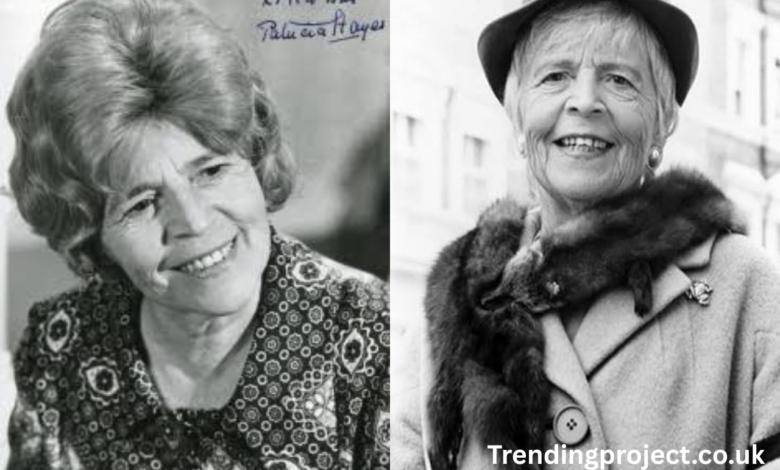
Introduction
Patricia Hayes remains one of the most admired character actresses in British entertainment history. Across a career that lasted for nearly eight decades, she became known for her unforgettable performances on stage, radio, television, and film. Whether portraying humorous housekeepers, lovable grandmothers, determined working-class women, or magical fantasy characters, Hayes possessed an extraordinary ability to make every role memorable. Her expressive face, impeccable comic timing, and heartfelt performances earned the respect of audiences and fellow actors alike. Even decades after her passing, her work continues to inspire actors who admire versatility and dedication to the craft.
Table of Contents
ToggleUnlike many performers who become associated with a single role, Patricia Hayes successfully reinvented herself throughout changing eras of British entertainment. She moved seamlessly from theatre to radio, embraced the golden age of television, and later appeared in internationally successful films such as The NeverEnding Story, Willow, and A Fish Called Wanda. Her career reflected remarkable resilience, proving that genuine talent can outlast changing trends and fashions in the entertainment industry.
Although she rarely sought the spotlight away from her performances, Patricia Hayes built a reputation that spoke for itself. Critics praised her authenticity, audiences loved her warmth, and directors valued her professionalism. Her journey from a young London girl with dreams of acting to one of Britain’s most respected performers is a fascinating story of perseverance, hard work, and artistic excellence.
| Quick Facts | Details |
|---|---|
| Full Name | Patricia Lawlor Hayes |
| Known As | Patricia Hayes |
| Date of Birth | 22 December 1909 |
| Age at Death | 88 years |
| Date of Death | 19 September 1998 |
| Birthplace | Streatham, London, England |
| Nationality | British |
| Profession | Actress |
| Education | Royal Academy of Dramatic Art (RADA) |
| Parents | Not publicly documented |
| Siblings | Not publicly documented |
| Former Spouse | Valentine Rooke (divorced) |
| Children | Richard O’Callaghan, Gemma Rooke, Teresa Rooke |
| Famous For | Edna, the Inebriate Woman, Willow, The NeverEnding Story, A Fish Called Wanda |
| Awards | BAFTA TV Award, OBE |
| Estimated Net Worth | Not publicly disclosed |
| None (Official) | |
| Twitter/X | None (Official) |
| None (Official) |
Early Life and Childhood
Patricia Hayes was born on 22 December 1909 in Streatham, London, during a period when Britain was undergoing enormous social and cultural change. Growing up in the early twentieth century exposed her to an era where theatre was among the country’s most popular forms of entertainment. From a young age, she demonstrated an interest in performance, storytelling, and public speaking, qualities that would later define her remarkable acting career. According to later interviews, her mother encouraged her artistic ambitions and helped nurture her confidence on stage.
Her childhood included participation in recitation competitions, where she frequently impressed judges with dramatic readings. These early experiences strengthened both her stage presence and her love of performing before an audience. Instead of treating acting as merely a hobby, Patricia gradually recognized that it could become a lifelong profession. Those formative years built the discipline and confidence that later distinguished her from many of her contemporaries.
Hayes attended the Sacred Heart School before earning admission to the prestigious Royal Academy of Dramatic Art (RADA). Graduating in 1928 with the highly respected Bancroft Gold Medal, she possessed excellent technical training. Despite this achievement, success did not come immediately. She spent nearly a decade performing in repertory theatre, gaining valuable experience while patiently waiting for larger opportunities. Rather than becoming discouraged, she viewed every production as another lesson in her artistic education.
Patricia Hayes’ Journey into Professional Acting
Patricia Hayes graduated from the Royal Academy of Dramatic Art (RADA) in 1928 after winning the prestigious Bancroft Gold Medal, one of the institution’s highest student honors. Although this achievement demonstrated her exceptional talent, it did not guarantee immediate success. Like many aspiring actors of her generation, she spent the next several years performing in repertory theatre companies across Britain. These productions demanded versatility, often requiring actors to perform different plays in rapid succession. The experience became the perfect training ground, allowing Hayes to develop remarkable range, confidence, and stage discipline that would benefit her throughout her career.
Her first major breakthrough arrived in 1938 when she originated the role of Ruby Birtle in J. B. Priestley’s celebrated play When We Are Married at London’s St. Martin’s Theatre. The production was a tremendous success and introduced audiences to her natural comedic timing and expressive acting style. Producers quickly recognized her ability to portray energetic servants, housekeepers, and humorous supporting characters without ever making them seem one-dimensional. While these roles sometimes led to typecasting, Hayes consistently found ways to give each character warmth, intelligence, and individuality.
The outbreak of the Second World War transformed Britain’s entertainment industry, yet Patricia Hayes continued building her reputation through theatre, radio, and touring productions. Rather than allowing uncertainty to interrupt her ambitions, she embraced every opportunity that came her way. Her willingness to accept diverse roles reflected both her professionalism and her belief that every performance, regardless of its size, deserved complete dedication. This dependable work ethic became one of the defining qualities of her long career.
Radio Success and Becoming a Television Favourite
During the 1950s, Patricia Hayes became a familiar voice on British radio, where listeners quickly appreciated her distinctive delivery and impeccable comic timing. One of her most important career milestones came through the popular comedy series Ray’s a Laugh, starring Ted Ray. The programme introduced Hayes to millions of listeners and established her as one of Britain’s most reliable comedy performers. Radio required actors to create vivid personalities using only their voices, and Hayes mastered this art with remarkable skill.
As television rapidly grew in popularity, Hayes adapted effortlessly to the new medium. She appeared alongside many of Britain’s leading comedians, including Arthur Haynes, Benny Hill, Tony Hancock, Frankie Howerd, and Warren Mitchell. Whether performing in sketch shows, sitcoms, or variety programmes, she brought authenticity and energy to every appearance. Audiences admired her ability to balance physical comedy with believable emotion, making even small supporting roles unforgettable.
Throughout the 1960s and 1970s, Patricia Hayes became a familiar face on British television. She featured in productions such as Hugh and I, Till Death Us Do Part, The Benny Hill Show, and numerous BBC comedy specials. Unlike performers who relied on repetitive jokes, Hayes constantly refined her performances and embraced different styles of storytelling. Her adaptability allowed her career to flourish during a period of enormous change in British broadcasting, earning admiration from colleagues and viewers alike.
Career-Defining Performance in Edna, the Inebriate Woman
Although Patricia Hayes had already enjoyed decades of success, her most celebrated dramatic performance arrived in 1971 with the BBC television production Edna, the Inebriate Woman. Written by Jeremy Sandford and directed by Ted Kotcheff, the play explored homelessness, poverty, and alcoholism through the story of Edna O’Casey, a vulnerable woman struggling to survive on London’s streets. The role was dramatically different from the light-hearted comedy for which Hayes had become famous, giving her the opportunity to display extraordinary emotional depth.
Her portrayal received overwhelming praise from critics and audiences alike. Rather than presenting Edna as a stereotype, Hayes portrayed her with humanity, dignity, and heartbreaking realism. The production sparked national discussion about homelessness and social welfare in Britain, demonstrating how powerful television drama could influence public awareness. Many viewers regarded her performance as one of the finest ever seen on British television.
The success of Edna, the Inebriate Woman earned Patricia Hayes the BAFTA Television Award for Best Actress in 1972, firmly establishing her among Britain’s greatest dramatic performers. The achievement proved that she possessed extraordinary versatility, excelling not only in comedy but also in emotionally demanding dramatic roles. It remains the defining performance of her remarkable career and continues to be remembered as a landmark in British television history.
Later Film Career and International Recognition
By the 1980s, Patricia Hayes had already established herself as one of Britain’s finest character actresses, but a new generation of audiences came to know her through a series of successful international films. Unlike many performers of her era who gradually stepped away from acting, Hayes embraced new opportunities and continued delivering memorable performances well into her seventies and eighties. Her ability to combine warmth, humour, and emotional depth made her a perfect choice for supporting roles that often became audience favourites.
One of her most recognizable film roles came in the fantasy classic The NeverEnding Story (1984), where she portrayed Urgl, the wife of Engywook. Although her screen time was limited, Hayes brought charm, comic timing, and personality to the role, making the character memorable for generations of fantasy fans. Four years later, she appeared in Ron Howard’s Willow (1988) as the powerful sorceress Fin Raziel, a role that introduced her to an even wider international audience. Her performance balanced humour with wisdom, demonstrating once again that she could make even fantastical characters feel believable and relatable.
The same remarkable year, Hayes appeared in the acclaimed comedy A Fish Called Wanda (1988), starring John Cleese, Jamie Lee Curtis, Kevin Kline, and Michael Palin. Although her role as Mrs. Coady was relatively small, it contributed to one of the most celebrated British comedy films ever made. During this period she also appeared in Little Dorrit, War Requiem, The Fool, Blue Ice, The Steal, and later in Crime and Punishment, which was released posthumously after production delays. These projects highlighted her enduring versatility and proved that outstanding acting talent remains valuable regardless of age.
Awards, Honours, and Lasting Achievements
Patricia Hayes received numerous honours throughout her extraordinary career, reflecting the immense respect she earned within the British entertainment industry. Her greatest competitive achievement came in 1972 when she won the British Academy Television Award (BAFTA) for Best Actress for her unforgettable portrayal of Edna in Edna, the Inebriate Woman. The performance remains one of the finest examples of dramatic acting in British television history and demonstrated her ability to move audiences with honesty and compassion.
Her theatrical achievements were equally impressive. Hayes continued performing in prestigious stage productions throughout her life, including work with the Royal Shakespeare Company. In 1978, she received a nomination for the Laurence Olivier Award for her supporting role in Filumena, and in 1987 she won the Clarence Derwent Award for her acclaimed performance in The House of Bernarda Alba. These honours reflected her exceptional range and her continued excellence across both classical and contemporary theatre.
Another significant milestone arrived when she was appointed an Officer of the Order of the British Empire (OBE) for her services to drama. The honour recognized decades of contributions to British stage, television, radio, and cinema. Beyond official awards, Hayes earned something equally valuable: the admiration of fellow actors, directors, and audiences who consistently praised her professionalism, humility, and remarkable dedication to acting. Today, she is remembered as one of Britain’s greatest character actresses, whose performances continue to entertain viewers around the world.
Personal Life, Family, and Life Beyond the Camera
Despite spending much of her life in the public eye, Patricia Hayes remained a remarkably private individual. She married Valentine Brooke (also known professionally as Valentine Rooke) in 1939, and together they had three children. Although the marriage eventually ended in divorce in 1951, Hayes devoted herself to raising her family while continuing to build an impressive acting career. Her son, Richard O’Callaghan, followed in her footsteps and became a successful British actor, while her daughters, Gemma Brooke and Teresa Jennings, also pursued creative careers. Hayes never remarried, choosing instead to focus on her family and professional life.
Family remained one of the most important aspects of Patricia Hayes’ life. Even while balancing demanding theatre schedules, television recordings, and film productions, she maintained a close relationship with her children. Her home life reflected the same warmth and kindness that audiences often saw in her performances. Friends and colleagues frequently described her as generous, humorous, and deeply supportive of younger actors. She believed that genuine respect for others was essential both on and off the stage, and this attitude earned her lasting admiration throughout the entertainment industry.
Beyond acting, Hayes was actively involved with the British Catholic Stage Guild, serving as its head for several years before her son later became chairman of the organization. Her faith played an important role in her personal values, encouraging compassion, humility, and service to others. Although she rarely discussed her private beliefs in interviews, those who knew her personally often spoke of her integrity, professionalism, and quiet generosity. These qualities helped define her reputation as not only an outstanding actress but also a genuinely respected individual.
Net Worth, Income Sources, Social Media, and Lasting Legacy
Because Patricia Hayes belonged to a generation of performers long before celebrity wealth became widely publicized, there are no reliable public records confirming her net worth. Many unofficial websites publish speculative figures, but these estimates cannot be verified. Throughout her career, Hayes earned her income through stage productions, radio broadcasts, television series, feature films, and occasional voice acting. Rather than pursuing commercial endorsements or business ventures, she devoted her working life almost entirely to acting, allowing her talent to remain the centre of her professional identity.
Naturally, Patricia Hayes never maintained official social media accounts such as Instagram, Facebook, X (formerly Twitter), or LinkedIn, as her career took place decades before these platforms existed. Today, however, clips from her classic television appearances, interviews, and films continue to be shared by fans, film historians, and classic cinema enthusiasts online. Modern audiences regularly discover her work through streaming services, television reruns, and restored editions of classic British productions, ensuring that her remarkable performances continue to reach new generations.
Patricia Hayes passed away on 19 September 1998 at her home in Puttenham, Surrey, at the age of 88. Remarkably, audiences were still able to see her final screen performance when Crime and Punishment was eventually released in 2002 after production delays. Her career, spanning from the 1930s through the 1990s, represents one of the longest and most distinguished acting journeys in British entertainment history. She proved that outstanding character actors are often the foundation of unforgettable storytelling, enriching every production with authenticity and emotional truth.
Patricia Hayes’ Enduring Influence and Conclusion
Patricia Hayes’ extraordinary career stands as a testament to dedication, versatility, and artistic excellence. Over nearly eight decades, she mastered virtually every form of performance, including theatre, radio, television, and film. Whether portraying a comedic neighbour, a compassionate grandmother, a magical fantasy character, or the deeply moving Edna O’Casey, Hayes approached every role with sincerity and remarkable skill. Her performances demonstrated that true acting is not measured by the size of a role but by the honesty and humanity brought to it.
Her achievements continue to inspire actors, filmmakers, and theatre performers across the world. Winning the BAFTA Television Award, receiving the OBE, and earning widespread respect from audiences were well-deserved recognitions of a lifetime devoted to storytelling. More importantly, Patricia Hayes left behind an extraordinary body of work that still entertains, moves, and inspires viewers decades after it was first performed. Her influence can be seen in generations of British character actors who followed the path she helped define through professionalism, resilience, and remarkable talent.
As Patricia Hayes’ legacy continues to live on through classic films, television dramas, and unforgettable stage performances, her story serves as a powerful reminder that genuine passion, perseverance, and humility create a lasting impact. She proved that success is built through years of dedication rather than fleeting fame, and her remarkable journey remains an inspiration for aspiring performers everywhere. Patricia Hayes will always be remembered as one of Britain’s finest actresses—a timeless artist whose work continues to enrich the world of entertainment for generations to come.