Nicholas Witchell Biography: The Remarkable Journey of the BBC’s Veteran Royal Correspondent

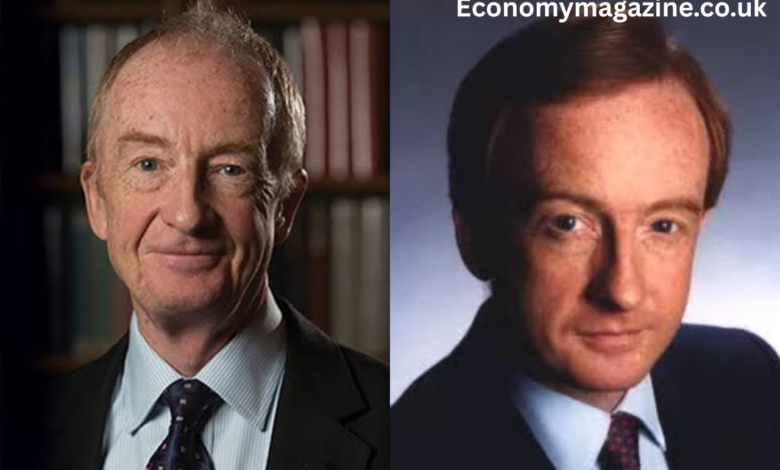
Few journalists have spent nearly five decades at the heart of Britain’s biggest news stories quite like Nicholas Witchell. Calm under pressure, respected for his professionalism, and recognized as one of the BBC’s most experienced broadcasters, Witchell became a familiar face to millions of viewers across the United Kingdom. Whether reporting on royal weddings, national tragedies, political developments, or historic world events, he earned a reputation for delivering accurate, balanced, and authoritative journalism. His career is filled with defining moments that shaped modern British broadcasting, making him one of the most recognizable television journalists of his generation. Even after retiring from the BBC in 2024, his influence on broadcast journalism continues to inspire aspiring reporters and media professionals alike.
Table of Contents
ToggleNicholas Witchell Facts
| Full Name | Nicholas Newton Henshall Witchell |
|---|---|
| Date of Birth | 23 September 1953 |
| Age | 72 (as of 2026) |
| Birthplace | Cosford, Shropshire, England |
| Nationality | British |
| Profession | Journalist, Broadcaster, Former BBC Royal Correspondent |
| Education | Epsom College; University of Leeds (Law) |
| Years Active | 1976–2024 |
| Known For | BBC News, Royal Correspondent, Six O’Clock News |
| Wife | Maria Staples (Maria Witchell) |
| Children | Two daughters |
| Net Worth | Estimated $1.5–3 million (not officially confirmed) |
| Parents | Father served in the Royal Air Force; parents’ names not publicly disclosed |
| Siblings | Not publicly known |
| No official public account | |
| X (Twitter) | No verified personal account |
| No official public profile |
Early Life and Family Background
Nicholas Witchell was born on 23 September 1953 at RAF Cosford in Shropshire, England. Growing up as the son of a serviceman meant he experienced discipline, responsibility, and a strong sense of public service from an early age. Although many details about his parents have remained private throughout his career, it is well known that his father’s military background influenced the structured environment in which he was raised. Unlike many television personalities who openly discuss their family life, Witchell has always preferred to keep personal matters away from the spotlight, allowing his journalism to remain the focus of public attention.
His childhood was shaped by curiosity and a genuine interest in understanding the world around him. Friends and colleagues have often described him as someone who enjoyed asking thoughtful questions, a quality that would later become essential in his career as a reporter. Long before stepping into television studios, he was already fascinated by storytelling, history, and current affairs. These interests encouraged him to observe events carefully and develop the analytical thinking that became one of his greatest professional strengths.
Even during his teenage years, Witchell displayed a remarkable enthusiasm for research and writing. One of his earliest passions involved investigating the mystery of Loch Ness. What began as a school project eventually developed into a published book, The Loch Ness Story, released in 1974 while he was still a university student. This early achievement demonstrated not only his writing ability but also his willingness to explore unusual topics with serious journalistic curiosity.
Education and the Beginning of His Journalism Career
Nicholas Witchell received his early education at Epsom College in Surrey, where he developed a keen interest in current affairs, history, and communication. Although he was an excellent student, he had not initially planned to become a journalist. Instead, he pursued a degree in Law at the University of Leeds, believing that a legal career would provide a stable and respected profession. However, university life introduced him to student journalism, which gradually became his true passion. During his time at Leeds, he served as the editor of the university newspaper, Leeds Student, an experience that completely changed the direction of his future career.
Working on the student newspaper gave Witchell practical experience in interviewing people, writing news stories, editing articles, and meeting tight publication deadlines. He later reflected that this role was far more exciting than studying legal textbooks. The fast-paced environment of the newsroom allowed him to sharpen his writing skills while learning the importance of accuracy, fairness, and responsible reporting. Those lessons would remain central to his journalism throughout the next five decades, helping him build a reputation as one of Britain’s most trusted television reporters.
Even before graduating, Witchell demonstrated remarkable ambition by publishing The Loch Ness Story in 1974. Based on extensive research into the famous Loch Ness mystery, the book showcased his ability to investigate unusual subjects with genuine curiosity and balanced reporting. Although he would later admit he no longer believed in the existence of the legendary creature, the project proved invaluable in developing the investigative mindset that would define his broadcasting career. It also gave him confidence that journalism—not law—was where he truly belonged.
Joining the BBC and Learning the Craft
After graduating from the University of Leeds, Nicholas Witchell joined the BBC Graduate Training Scheme in 1976, beginning what would become a remarkable 47-year career with Britain’s national broadcaster. The graduate programme exposed him to every aspect of radio and television journalism, including news gathering, script writing, interviewing, and live broadcasting. It provided the ideal foundation for a young reporter eager to understand how professional journalism worked at the highest level.
One of his earliest major assignments took him to BBC Northern Ireland, where he reported during the difficult years of The Troubles. Covering such a sensitive and dangerous conflict required courage, accuracy, and emotional resilience. In 1979, he was among the first BBC journalists to report the assassination of Lord Mountbatten, one of the most significant stories of that era. Reporting from Northern Ireland taught him how to remain calm under intense pressure while delivering clear, factual journalism to millions of viewers.
His strong reporting skills soon earned him opportunities in London, where he covered the Falklands War, national politics, and major breaking news stories. Editors quickly recognized his composed on-air presence, clear voice, and ability to explain complex events in simple language. These qualities helped establish him as one of the BBC’s most dependable journalists and prepared him for even bigger broadcasting responsibilities in the years ahead.
Becoming One of the Faces of BBC News
Nicholas Witchell’s career reached another milestone in 1984 when he became one of the original presenters of the newly launched BBC Six O’Clock News, appearing alongside Sue Lawley. The programme quickly became one of the United Kingdom’s most-watched evening news broadcasts, and Witchell’s calm, authoritative delivery made him a familiar face in millions of households. His professionalism helped strengthen the programme’s credibility during a period of significant change in British television news.
During the 1980s and early 1990s, he reported on many defining moments in modern British history. Among the major events he covered were the Herald of Free Enterprise (Zeebrugge) ferry disaster, the Lockerbie bombing, the death of former Prime Minister Harold Macmillan, and numerous political and international developments. His ability to deliver tragic news with empathy while maintaining journalistic objectivity earned him widespread respect from both colleagues and viewers.
Another memorable moment came in 1988 when live BBC broadcasts were interrupted by protesters opposing Section 28 legislation. Witchell unexpectedly found himself physically restraining one of the demonstrators during the live transmission, creating one of the most talked-about moments in BBC broadcasting history. Although unusual, the incident became a memorable chapter in his long and eventful career and demonstrated the unpredictable nature of live television.
Royal Correspondent: Becoming the BBC’s Trusted Voice on the Monarchy
In 1998, Nicholas Witchell entered what would become the defining chapter of his career when he was appointed Royal Correspondent for BBC News. The role placed him at the centre of one of the world’s most closely watched institutions—the British Royal Family. As royal correspondent, he was responsible for covering official engagements, overseas tours, state ceremonies, royal weddings, jubilees, funerals, and constitutional events. His reporting required not only journalistic skill but also a deep understanding of British history, royal protocol, and the constitutional role of the monarchy. Over more than two decades, he became one of the BBC’s most recognizable experts on royal affairs.
The position demanded constant readiness, as royal news could develop at any moment. Witchell travelled extensively with members of the Royal Family, reporting from countries across Europe, Asia, Africa, Australia, and North America. His broadcasts combined factual reporting with historical context, helping audiences understand not only what had happened but also why each event mattered. Whether covering state visits or moments of national mourning, he maintained a calm and measured tone that reflected the BBC’s commitment to impartial journalism.
Throughout his years on the royal beat, Witchell covered many landmark occasions, including the Golden Jubilee, Diamond Jubilee, and Platinum Jubilee of Queen Elizabeth II, royal weddings, the births of future heirs, and major constitutional milestones. His extensive knowledge of the monarchy made him a trusted source for viewers seeking accurate and balanced coverage during moments of both celebration and uncertainty.
Covering Historic Royal Events and National Moments
One of Nicholas Witchell’s greatest strengths was his ability to explain complex royal traditions in language that ordinary viewers could easily understand. His reports often blended historical background with real-time analysis, allowing audiences to appreciate the significance of ceremonies that had evolved over centuries. This style of reporting helped make royal affairs more accessible to millions of people who might otherwise have found the subject difficult to follow.
Among the most significant stories of his career was the coverage of the death of Diana, Princess of Wales, in 1997. Witchell was one of the BBC journalists who helped deliver the news to the nation during an emotionally difficult period. In the years that followed, he also reported on the funerals of Queen Elizabeth The Queen Mother, Prince Philip, Duke of Edinburgh, and Queen Elizabeth II, each of which attracted enormous international audiences. His reporting during these occasions was widely respected for its dignity, sensitivity, and historical perspective.
His work also included coverage of royal weddings such as those of King Charles III (then Prince Charles) and Queen Camilla, Prince William and Catherine, and Prince Harry and Meghan Markle. These broadcasts required months of preparation, extensive historical research, and careful attention to detail. Witchell’s experience enabled him to provide thoughtful commentary while remaining committed to factual and impartial reporting.
Professional Reputation, Challenges, and Public Recognition
Like many prominent journalists, Nicholas Witchell occasionally found himself at the centre of public attention. One of the most widely discussed moments occurred in 2005, when King Charles III, then the Prince of Wales, was accidentally recorded describing him as “awful” after a media question during a skiing holiday. The remark received worldwide publicity, but the BBC defended Witchell, emphasizing that his question had been entirely appropriate and consistent with professional journalism. Rather than allowing the incident to define his career, he continued to report on the Royal Family with fairness and objectivity.
Years later, relations between the two men appeared to improve. In 2019, King Charles III became patron of the Normandy Memorial Trust, an initiative that Witchell helped establish after meeting a Second World War veteran who highlighted the absence of a dedicated British memorial in Normandy. The successful campaign ultimately led to the creation of the British Normandy Memorial, demonstrating that Witchell’s contribution extended beyond journalism into preserving national history.
When Nicholas Witchell retired from the BBC on 31 March 2024, after nearly 48 years of service, he received warm tributes from colleagues across the broadcasting industry. In a notable gesture, King Charles sent a personal retirement message acknowledging the “ups and downs” they had shared over the years, reflecting a relationship that had ultimately become one of mutual respect. The tribute surprised many attendees and highlighted the lasting regard for Witchell’s professionalism and dedication.
Personal Life, Family, and Interests
Despite spending decades in front of television cameras, Nicholas Witchell has always maintained a clear distinction between his professional responsibilities and his private life. Unlike many high-profile broadcasters, he has rarely discussed his family publicly, believing that journalists should report the news rather than become part of it. This reserved approach earned him respect among colleagues and viewers, who came to know him for his professionalism rather than personal publicity. Throughout his long career, he consistently avoided unnecessary media attention outside his reporting duties.
Nicholas Witchell is married to Maria Staples, now known as Maria Witchell, and the couple have two daughters. Although he occasionally mentioned family in interviews, he has chosen not to reveal many details about their private lives, preferring to protect them from public scrutiny. This reflects the values that guided much of his career—integrity, discretion, and respect for personal boundaries. Friends and former colleagues have often described him as thoughtful, courteous, and deeply committed both to his work and to his family life.
Outside journalism, Witchell has a longstanding interest in history, particularly military history and the events of the Second World War. His fascination with historical research dates back to his university years and continued throughout his broadcasting career. He has also been involved in projects dedicated to preserving Britain’s historical heritage, demonstrating that his passion for public service extends well beyond television journalism.
Net Worth, Income Sources, and Financial Success
After nearly 48 years with the BBC, Nicholas Witchell established a successful and respected career in British broadcasting. While the BBC has never publicly disclosed his salary, media estimates suggest his net worth is between $1.5 million and $3 million. Because he has kept his financial affairs private, these figures remain estimates rather than officially confirmed amounts.
The majority of Witchell’s income came from his long-term employment with the BBC, where he served in several senior journalism roles, including news presenter, correspondent, and Royal Correspondent. Over the decades, he also earned income through public speaking, occasional media appearances, and his published works, including his early book The Loch Ness Story. His financial success reflects decades of steady professional achievement rather than commercial endorsements or celebrity ventures.
Unlike many modern public figures, Nicholas Witchell has never pursued a lifestyle centred on wealth or luxury. His public image has always been one of modesty, professionalism, and dedication to journalism. Rather than becoming known for expensive properties or lavish spending, he built a reputation through credibility, consistency, and public trust—qualities that became the true foundation of his career.
Primary sources of income included:
- BBC salary as journalist and correspondent.
- Television broadcasting and presenting.
- Public speaking and media engagements.
- Royalties from published writing.
Social Media Presence and Relationship with the Public
In an era dominated by social media, Nicholas Witchell has taken a notably different approach. He does not maintain verified public accounts on platforms such as Instagram, X (formerly Twitter), Facebook, or LinkedIn. Instead of sharing opinions or daily updates online, he has always preferred traditional journalism, allowing his reporting to speak for itself rather than cultivating a personal online brand.
Although his own digital presence is minimal, his reports have been widely shared across television, news websites, and social media for many years. BBC audiences frequently discussed his coverage of royal events, state ceremonies, and breaking news, often praising his calm delivery, historical knowledge, and balanced reporting. His professionalism earned him a loyal audience that trusted him during some of Britain’s most important national moments.
Even after retiring, clips of his broadcasts continue to circulate online whenever significant royal events occur. Many journalism students and aspiring broadcasters study his reporting style as an example of how complex stories can be explained with clarity, accuracy, and impartiality.
Retirement, Legacy, and Lasting Influence
Nicholas Witchell officially retired from the BBC on 31 March 2024, bringing an end to an extraordinary broadcasting career spanning almost five decades. His retirement marked the conclusion of one of the longest-serving careers in modern BBC News history. Colleagues paid tribute to his dedication, professionalism, and remarkable ability to remain composed during both moments of national celebration and periods of profound sadness.
One of the most memorable moments surrounding his retirement came when King Charles III sent a personal message acknowledging their long professional relationship and thanking Witchell for his years of service. The gesture highlighted the mutual respect that had developed over decades, despite occasional well-publicized disagreements earlier in his career. It was a fitting recognition of a journalist who had documented much of modern royal history with fairness and integrity.
Nicholas Witchell leaves behind a legacy defined by credibility, impartiality, and public service. From reporting on conflicts in Northern Ireland to covering royal weddings, jubilees, coronations, and state funerals, he witnessed—and helped explain—many of the defining moments of contemporary British history. His career serves as an enduring example of responsible journalism, proving that careful research, accuracy, and professionalism remain the cornerstones of trusted news reporting. As Nicholas Witchell begins the next chapter of his life, his remarkable journey reminds us that lasting success is built not on fame alone, but on integrity, perseverance, and an unwavering commitment to informing the public with honesty and respect.
Conclusion
Nicholas Witchell’s career is a remarkable example of what can be achieved through dedication, integrity, and an unwavering commitment to factual journalism. Over nearly five decades at the BBC, he witnessed—and helped explain—some of the most significant events in modern British history. From reporting on conflict in Northern Ireland and the Falklands War to covering royal weddings, state funerals, jubilees, and the reigns of British monarchs, he consistently earned the trust of millions through his calm, balanced, and authoritative reporting. His retirement in 2024 marked the end of an extraordinary era in British broadcasting, but his influence continues to shape the standards of professional journalism.
Beyond the television screen, Witchell’s legacy extends to public service and historical preservation. His leadership in establishing the British Normandy Memorial demonstrated that his dedication to serving the public did not end with journalism. Throughout his career, he remained committed to accuracy, fairness, and thoughtful storytelling rather than seeking personal fame. Even after stepping away from the BBC, his work continues to be respected by journalists, historians, and viewers who value reliable news reporting and responsible broadcasting.
As Nicholas Witchell enters retirement, his journey stands as a powerful reminder that lasting success is built on professionalism, resilience, and credibility rather than headlines alone. His story inspires aspiring journalists to pursue truth with courage, remain impartial in the face of public scrutiny, and approach every story with care and integrity. The legacy he leaves behind is not simply one of memorable broadcasts but of setting a benchmark for trusted journalism that will continue to influence future generations.