Camilla Shand (Queen Camilla): From Country Childhood to the British Throne

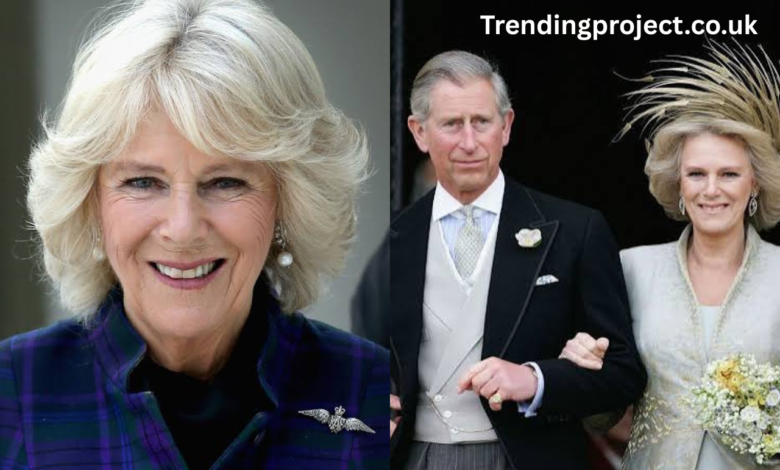
Few modern members of the British Royal Family have experienced a public journey as remarkable and complex as Camilla Rosemary Shand. Once known simply as Camilla Shand, later as Camilla Parker Bowles, then the Duchess of Cornwall, and today as Queen Camilla, her life has unfolded under decades of public scrutiny. Her story is one of resilience, patience, personal transformation, and an unwavering commitment to public service despite years of criticism and media attention.
Table of Contents
ToggleBorn into a respected British family with aristocratic roots, Camilla never imagined that she would one day become Queen of the United Kingdom. Her path to royalty was far from conventional, shaped by personal relationships, changing public opinion, and an evolving role within the monarchy. Today, she is recognized not only as the wife of King Charles III but also as a dedicated advocate for literacy, domestic violence awareness, osteoporosis research, and numerous charitable causes. Her ability to adapt while remaining authentic has made her one of the most fascinating figures in modern royal history.
| Quick Facts | Details |
|---|---|
| Full Name | Camilla Rosemary Shand |
| Current Title | Queen Camilla |
| Former Name | Camilla Parker Bowles |
| Date of Birth | 17 July 1947 |
| Age | 79 (as of 2026) |
| Birthplace | King’s College Hospital, London, England |
| Nationality | British |
| Profession | Queen of the United Kingdom, Royal Patron, Philanthropist |
| Father | Major Bruce Shand |
| Mother | Rosalind Cubitt |
| Siblings | Annabel Elliot, Mark Shand (late) |
| Husband | King Charles III |
| Former Husband | Andrew Parker Bowles |
| Children | Tom Parker Bowles, Laura Lopes |
| Education | Queen’s Gate School, Switzerland, British Institute in Paris |
| Estimated Net Worth | Widely reported in the tens of millions of pounds (combined royal resources not individually disclosed) |
| No personal account | |
| X (Twitter) | No personal account |
| Official Royal Profile | The British Royal Family |
Early Life and Family Background
Camilla Rosemary Shand entered the world on 17 July 1947 at King’s College Hospital in London. She was born into a family that combined military tradition with aristocratic heritage. Her father, Major Bruce Shand, served with distinction during the Second World War before becoming a successful businessman, while her mother, Rosalind Cubitt, belonged to the prominent Cubitt family, well known in British history for its influence in architecture and property development.
Although born in London, Camilla spent much of her childhood in the peaceful countryside of East Sussex. Her upbringing balanced country life with time spent in South Kensington, giving her an appreciation for both rural traditions and city culture. Family life revolved around horses, dogs, outdoor activities, books, and close relationships, all of which played an important role in shaping her personality.
Camilla grew up alongside her younger sister, Annabel Elliot, and younger brother, Mark Shand, who later became a respected conservationist and travel writer. Friends and biographers often describe her childhood as stable, affectionate, and grounded. Long before she entered royal life, she developed a reputation for warmth, humor, and resilience—qualities that would later become essential as she navigated decades of public attention.
Education and the Experiences That Shaped Her Character
Camilla’s education reflected the traditions of many upper-class British families during the post-war years. She first attended Dumbrells School in Sussex before enrolling at the prestigious Queen’s Gate School in South Kensington, London. Teachers and classmates remembered her as an energetic, confident, and cheerful student with a natural ability to make friends. Rather than striving for academic recognition alone, she enjoyed literature, history, languages, and outdoor activities, demonstrating a practical intelligence and warm personality that made her popular among her peers.
After leaving Queen’s Gate School, Camilla continued her education at the Mon Fertile finishing school in Tolochenaz, Switzerland. She later spent several months studying French language and literature at the Institut Britannique in Paris. These international experiences broadened her cultural awareness, improved her language skills, and strengthened her appreciation for European traditions. Although she did not attend university, her education provided her with the confidence and social skills that would later prove invaluable in public life.
Beyond formal education, Camilla developed lifelong interests that would remain central to her identity. She became an enthusiastic reader, inherited a love of books from her father, enjoyed horseback riding, gardening, painting, and caring for animals. Those close to her often describe her as someone who preferred genuine friendships and country living over glamour or celebrity, qualities that have remained consistent throughout her life despite becoming one of the world’s most recognizable royal figures.
Early Career and Life Before Joining the Royal Family
Unlike many public figures, Camilla did not pursue a traditional corporate or entertainment career. After completing her education, she worked in London’s fashionable West End, initially as a receptionist and secretary before briefly joining the prestigious decorating firm Sibyl Colefax & John Fowler. The role exposed her to Britain’s design community and high society, although she reportedly preferred a quieter countryside lifestyle over the fast-paced London business scene.
During the late 1960s and early 1970s, Camilla became a familiar face within Britain’s aristocratic and equestrian circles. She participated in social events, horse riding competitions, and charitable gatherings, building friendships that connected her to influential families across the United Kingdom. Her outgoing personality, quick wit, and ability to make people feel comfortable earned her admiration among those who knew her personally.
Although her early professional life remained relatively private, these years laid the foundation for the public responsibilities she would eventually undertake. They also introduced her to many of the people who would shape the next chapter of her life, including a young Prince Charles, whose friendship would eventually develop into one of the most talked-about relationships in modern royal history.
Marriage to Andrew Parker Bowles and Family Life
On 4 July 1973, Camilla married British Army officer Andrew Parker Bowles in a ceremony attended by many members of Britain’s aristocracy. At the time, the marriage was regarded as one of society’s most significant weddings, reflecting the couple’s respected family backgrounds. Together they built a family life that largely remained outside the spotlight during its early years.
The couple welcomed two children: Tom Parker Bowles, who later became a successful food writer, broadcaster, and restaurant critic, and Laura Parker Bowles, now Laura Lopes, who established herself as an art curator. Camilla devoted much of her time to raising her children while balancing social commitments and charitable interests. Friends often described her as a devoted mother who valued family traditions and maintained a close relationship with both children throughout their lives.
Despite many happy family moments, the marriage gradually encountered difficulties, and the couple eventually separated before officially divorcing in 1995. Throughout this period, Camilla maintained her focus on her children’s well-being and continued participating in charitable work, demonstrating the resilience that would become a defining feature of her public image.
Relationship with King Charles III and a Story That Changed Royal History
Camilla first met Prince Charles in the early 1970s through mutual friends in Britain’s social and equestrian circles. Their friendship developed quickly, with both sharing a love of the countryside, horse riding, gardening, and literature. Although their relationship attracted attention, circumstances led them onto different paths. Charles returned to his naval duties, while Camilla married Andrew Parker Bowles in 1973. Despite following separate lives, they remained friends for many years.
During the 1980s and early 1990s, their relationship gradually became the subject of intense public and media interest. This period proved extremely challenging for everyone involved, particularly because it coincided with the well-publicized difficulties in the marriages of both Charles and Diana, Princess of Wales, and Camilla and Andrew Parker Bowles. Following their respective divorces, Charles and Camilla slowly began appearing together in public, though public opinion remained divided. Over time, however, many people came to appreciate the stability and companionship they shared.
A significant milestone came on 9 April 2005 when Charles and Camilla married in a civil ceremony at Windsor Guildhall, followed by a Service of Prayer and Dedication at St George’s Chapel, Windsor Castle. After the wedding, Camilla became Her Royal Highness The Duchess of Cornwall, choosing not to use the title Princess of Wales out of respect for the late Diana and public sentiment. The marriage marked the beginning of a new chapter in her life, one focused on royal duty, charity work, and supporting the future King.
Becoming Queen Consort and Then Queen Camilla
The passing of Queen Elizabeth II on 8 September 2022 transformed Camilla’s role overnight. As Charles became King Charles III, Camilla assumed the title of Queen Consort, reflecting her position as the sovereign’s wife. Earlier that year, Queen Elizabeth II had publicly expressed her “sincere wish” that Camilla be known as Queen Consort when Charles became King, a statement that carried enormous constitutional and symbolic importance.
Following the Coronation of King Charles III on 6 May 2023 at Westminster Abbey, Camilla was crowned alongside her husband in a ceremony watched by millions around the world. Shortly afterward, Buckingham Palace began referring to her simply as “Queen Camilla,” reflecting longstanding royal convention. The transition demonstrated how dramatically public attitudes had evolved over two decades, with many commentators recognizing her steady commitment to public service and support for the monarchy.
As Queen, Camilla has continued to support the King during state visits, diplomatic engagements, Commonwealth events, and ceremonial occasions. She frequently represents the Crown independently, hosting receptions, attending memorial services, opening public institutions, and strengthening relationships with charitable organizations throughout the United Kingdom and the Commonwealth. Her role combines constitutional responsibility with a strong emphasis on humanitarian work and cultural engagement.
Charitable Work, Patronages, and Lasting Public Service
One of Queen Camilla’s greatest contributions has been her dedication to charitable causes. Since joining the Royal Family, she has become Patron or President of more than 100 organizations. Her charitable interests cover health, literacy, women’s welfare, domestic violence awareness, sexual assault survivor support, osteoporosis research, animal welfare, the arts, and promoting reading among children and adults. These causes reflect interests she has championed consistently for many years.
Perhaps her best-known initiative is The Queen’s Reading Room, a project created to encourage people of all ages to discover the joy and lifelong benefits of reading. What began as an online book recommendation community has grown into a respected literary platform featuring author interviews, reading guides, podcasts, and educational resources. Her commitment to literacy has helped inspire schools, libraries, and families throughout the United Kingdom.
Queen Camilla also continues expanding her charitable work through new initiatives. In 2026, she supported the launch of the Queen Camilla Future of Journalism Awards, designed to help aspiring young journalists develop their careers through financial support, mentoring, and professional opportunities. The initiative reflects her long-standing patronage of journalism-related charities and her belief in the importance of a free and responsible press.
Major Achievements, Honors, and Lasting Influence
Queen Camilla’s achievements are measured less by commercial success and more by decades of public service. Since marrying King Charles in 2005, she has steadily expanded her responsibilities, becoming Patron or President of more than 100 charities and organizations. Her work spans literacy, healthcare, women’s welfare, animal protection, support for survivors of domestic and sexual abuse, heritage preservation, and the arts. Through regular visits, fundraising efforts, speeches, and advocacy, she has helped raise awareness for many important social issues.
She has also received several distinguished royal honors during her years of service. In 2012, Queen Elizabeth II appointed her a Dame Grand Cross of the Royal Victorian Order (GCVO). She later became a member of the Privy Council in 2016 and was appointed a Royal Lady of the Order of the Garter in 2022. These honors recognize her dedication to the Crown and her growing contribution to public life over many years.
Beyond official honors, Camilla’s greatest achievement has been the gradual transformation of her public image. Once among the most controversial members of the Royal Family, she has earned increasing respect through consistency, humility, and hard work. Royal commentators frequently note that rather than attempting to reshape public opinion through publicity, she allowed years of dedicated service to speak for themselves, making her journey one of the most remarkable personal transformations in modern royal history.
Notable Achievements
- Became Queen of the United Kingdom following the accession of King Charles III in 2022.
- Supports more than 100 charities and public organizations.
- Founded and continues to champion The Queen’s Reading Room, promoting literacy across all age groups.
- Long-time advocate for osteoporosis awareness, domestic violence prevention, and support for survivors of sexual assault.
- Represents the United Kingdom on numerous state visits, Commonwealth engagements, and diplomatic occasions.
Personal Life, Interests, and Daily Routine
Despite occupying one of the highest-profile positions in the world, Queen Camilla is widely known for maintaining a relatively simple and down-to-earth lifestyle. Friends often describe her as approachable, humorous, and practical. She enjoys spending time in the countryside, reading novels, gardening, walking with her dogs, and horseback riding—interests she has maintained since childhood. These hobbies provide a sense of balance amid the demanding schedule of royal engagements.
Family remains central to her life. She has maintained a close relationship with her children, Tom Parker Bowles and Laura Lopes, and is also a grandmother. Since marrying King Charles III, she has become an important figure within the wider Royal Family, supporting the King during official engagements while maintaining strong ties with her own family. Those who work closely with her often highlight her warmth, quick sense of humor, and ability to put people at ease during public appearances.
A typical royal schedule includes meetings with charitable organizations, hosting receptions, attending state ceremonies, reading official correspondence, preparing for overseas tours, and supporting the King’s constitutional duties. Despite the formal nature of these responsibilities, Camilla continues to emphasize personal interaction, often spending extra time speaking with volunteers, survivors, healthcare workers, teachers, and members of the public during engagements.
Net Worth, Income Sources, and Financial Standing
Queen Camilla’s personal wealth has never been officially disclosed, making precise estimates difficult. Various media outlets have estimated her personal net worth to be in the millions of pounds, largely derived from inherited family wealth, previous property interests, and investments. Since becoming a senior member of the Royal Family, however, her official duties are supported through the financial arrangements of the British monarchy rather than a traditional salary.
As Queen, Camilla’s public responsibilities are funded alongside those of King Charles III through established royal funding mechanisms, including the Sovereign Grant, which supports official royal activities and the maintenance of royal residences. Personal and royal finances remain legally distinct, and Buckingham Palace does not publish an individual breakdown of the Queen’s private assets.
Rather than focusing on personal wealth, Queen Camilla consistently directs public attention toward charitable work. Many of the organizations she supports benefit from increased visibility, fundraising opportunities, and volunteer engagement as a result of her patronage. Her influence is therefore measured more by public service than by financial success.
Social Media Presence and Public Engagement
Unlike many public figures, Queen Camilla does not maintain personal accounts on Instagram, X (formerly Twitter), Facebook, or LinkedIn. Instead, her public appearances, charitable initiatives, and official announcements are shared through the British Royal Family’s official digital platforms. This approach reflects the long-standing tradition of the monarchy, where official communications represent the institution rather than individual family members. Through these channels, the public can follow her engagements, speeches, overseas tours, and charitable activities while maintaining the dignity and neutrality expected of a senior royal.
A significant part of Queen Camilla’s modern public image has been shaped through The Queen’s Reading Room, which has established its own online presence to promote books, reading, and conversations with authors. The initiative reaches readers worldwide through podcasts, interviews, literary festivals, and curated reading recommendations. By embracing digital platforms in this way, she has successfully connected with younger audiences while encouraging lifelong learning and literacy. The Reading Room has continued to expand, introducing awards and new partnerships that strengthen its educational mission.
Although Queen Camilla rarely shares personal opinions publicly, she remains highly visible through official photographs, state events, and charity campaigns. Her communications focus on public service rather than personal promotion, helping reinforce the monarchy’s role as a non-political institution. This balanced approach has contributed to growing public respect, with many appreciating her professionalism and commitment to the causes she supports.
Recent Updates and What Lies Ahead
Queen Camilla has continued to maintain a full schedule of royal engagements throughout 2026. She has represented the Crown at national ceremonies, attended the Commonwealth Games alongside King Charles III and other members of the Royal Family, and continued supporting organizations focused on health, literacy, journalism, and community service. These appearances demonstrate that she remains an active and influential working member of the monarchy despite increasing responsibilities.
One of the most notable recent developments is her support for the Queen Camilla Future of Journalism Awards, launched through the Journalists’ Charity. The program offers financial assistance, mentoring, and career opportunities to aspiring journalists between the ages of 18 and 30. By backing this initiative, Queen Camilla has emphasized the importance of responsible journalism, freedom of the press, and the need to support the next generation of media professionals in an era of misinformation.
Looking ahead, Queen Camilla is expected to continue expanding her charitable work while supporting King Charles III during state visits, Commonwealth meetings, and constitutional engagements. Literacy, women’s welfare, healthcare, and support for survivors of domestic and sexual violence are likely to remain central priorities throughout the coming years. Her role continues to evolve as the monarchy adapts to modern society while preserving centuries of tradition.
Queen Camilla’s Legacy and Enduring Influence
Queen Camilla’s journey is unlike that of almost any other member of the modern British Royal Family. From her early life as Camilla Rosemary Shand to becoming Queen of the United Kingdom, she has experienced admiration, criticism, personal challenges, and remarkable public transformation. Rather than allowing controversy to define her legacy, she has gradually earned recognition through decades of dedication, quiet perseverance, and consistent public service.
Her commitment to literacy, healthcare, domestic violence awareness, animal welfare, and charitable organizations has created a lasting impact that extends far beyond ceremonial royal duties. Through hundreds of engagements each year, she continues to champion causes that improve lives while supporting the work of King Charles III and strengthening the role of the monarchy in contemporary society. Her ability to connect warmly with people from all backgrounds has become one of her greatest strengths.
As Camilla Shand, now Queen Camilla, continues to serve the Crown and the public, her story stands as a reminder that resilience, patience, and a commitment to meaningful service can reshape both reputation and legacy. Her remarkable life demonstrates that personal growth often comes through perseverance, and that true influence is built not by seeking attention but by consistently making a positive difference in the lives of others.
Public Perception and the Evolution of Her Reputation
Queen Camilla’s public image has undergone one of the most dramatic transformations in modern British royal history. During the 1990s, intense media attention surrounding the breakdown of the marriages of Charles and Diana, Princess of Wales, and Camilla and Andrew Parker Bowles led to significant public criticism. Newspapers, television coverage, and public debate often portrayed her unfavorably, making her one of the most controversial figures associated with the monarchy. Over time, however, public attitudes gradually shifted as she consistently focused on charitable work and avoided engaging in public disputes.
Following her marriage to King Charles III in 2005, Queen Camilla adopted a quiet approach to royal life. Rather than seeking publicity, she concentrated on supporting her husband and carrying out hundreds of official engagements each year. Her dedication to literacy campaigns, healthcare charities, domestic violence awareness, and support for survivors of abuse helped reshape how many people viewed her. Royal experts frequently note that she earned greater respect through years of steady public service rather than through image campaigns or media interviews.
Today, Queen Camilla is widely regarded as an experienced and dependable senior royal. While opinions about historical events remain varied, many observers acknowledge her professionalism, resilience, and commitment to duty. Her transformation illustrates how sustained public service and consistency can gradually influence public perception, even after years of intense scrutiny.
Interesting Facts About Camilla Shand
Beyond her official duties, Queen Camilla has a fascinating personal history filled with interests and experiences that many people may not know. Her lifelong love of horses, dogs, gardens, and books reflects the country lifestyle she enjoyed growing up in Sussex. Even after becoming Queen, she has continued to spend as much time as possible in the countryside whenever her schedule allows. Friends often describe her as happiest while reading, gardening, or walking with her rescue dogs.
Some interesting facts about Queen Camilla include:
- She is an avid reader and founded The Queen’s Reading Room, one of the Royal Family’s most successful literacy initiatives.
- Before marrying King Charles III, she was widely known as Camilla Parker Bowles.
- She has two children and several grandchildren, with whom she maintains close family relationships.
- She has supported osteoporosis awareness for many years because members of her family were affected by the disease.
- She has represented the United Kingdom on numerous overseas tours and state visits across Europe, North America, Asia, Africa, and the Commonwealth.
These personal interests and charitable commitments reveal a side of Queen Camilla that extends beyond royal ceremonies. They highlight her passion for education, healthcare, family, and community service, reinforcing the image of a royal who values meaningful engagement over publicity.
Frequently Asked Questions (FAQs)
Who is Camilla Shand?
Camilla Shand, now known as Queen Camilla, is the wife of King Charles III and Queen of the United Kingdom. She was born Camilla Rosemary Shand on 17 July 1947 in London.
How old is Queen Camilla?
As of 2026, Queen Camilla is 79 years old. She was born on 17 July 1947.
Who are Queen Camilla’s parents?
Her father was Major Bruce Shand, a decorated Second World War officer, and her mother was Rosalind Cubitt, a member of the aristocratic Cubitt family.
How many children does Queen Camilla have?
She has two children, Tom Parker Bowles and Laura Lopes, from her first marriage to Andrew Parker Bowles.
Does Queen Camilla have social media?
No. She does not operate personal social media accounts. Her official engagements are shared through the British Royal Family’s official platforms.
What charities does Queen Camilla support?
She supports more than 100 organizations focusing on literacy, osteoporosis awareness, domestic violence prevention, healthcare, animal welfare, education, and the arts.
What is Queen Camilla best known for today?
In addition to serving as Queen alongside King Charles III, she is widely recognized for championing literacy through The Queen’s Reading Room and for her long-standing commitment to charitable and community work.
Conclusion
Camilla Shand’s journey to becoming Queen Camilla is one of the most extraordinary stories in modern British royal history. From her childhood in the English countryside to her position as Queen of the United Kingdom, she has experienced decades of personal challenges, intense public scrutiny, and remarkable transformation. Rather than allowing controversy to define her life, she has steadily built a reputation through compassion, resilience, and an unwavering commitment to public service. Today, she supports more than 100 charitable organizations and remains a passionate advocate for literacy, women’s welfare, healthcare, animal welfare, and support for survivors of domestic and sexual violence.
As the wife of King Charles III, Queen Camilla continues to play an essential role in the modern monarchy. She represents the Crown at state ceremonies, diplomatic engagements, and community events while championing initiatives such as The Queen’s Reading Room, which has inspired countless people to rediscover the joy of reading. In recent years, she has also expanded her support for education and journalism, reinforcing her belief that informed communities and lifelong learning strengthen society. Her continued public engagements throughout 2026 demonstrate that she remains a dedicated working royal with a clear sense of purpose.
Ultimately, Queen Camilla’s life is a testament to the power of perseverance, personal growth, and service above self. Her journey illustrates that reputations can evolve through consistent actions, humility, and dedication to meaningful causes. While history will always remember her unique path to the throne, it is her charitable work, steadfast support of the monarchy, and commitment to improving the lives of others that are shaping her enduring legacy. As Camilla Shand, now Queen Camilla, continues to serve the nation and the Commonwealth, her story stands as a reminder that resilience, compassion, and purpose can overcome even the greatest challenges and leave a lasting impact for generations to come.