Rosemary Harris Biography: The Remarkable Journey of an Award-Winning Stage and Screen Legend

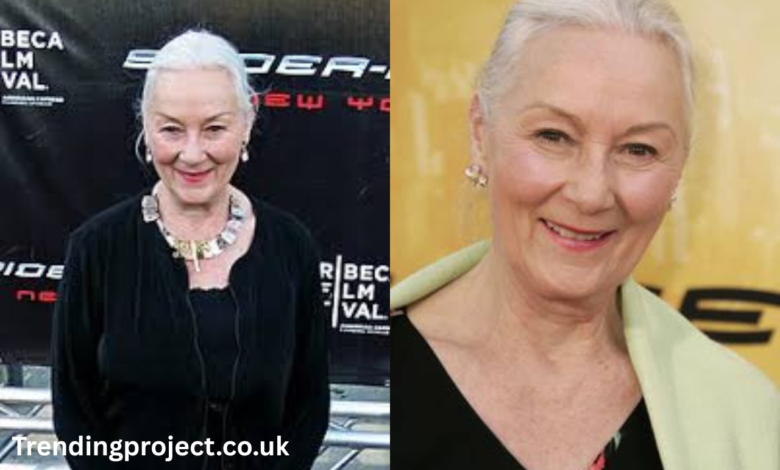
Few actresses have managed to build a career as enduring and respected as Rosemary Harris. For more than seven decades, she has captivated audiences with unforgettable performances on stage, television, and in films. Whether portraying Shakespearean heroines, historical figures, or the warm-hearted Aunt May in the Spider-Man trilogy, Harris has consistently demonstrated extraordinary versatility and emotional depth. Her ability to bring intelligence, grace, and authenticity to every role has earned her admiration from critics, fellow actors, and audiences around the world.
Table of Contents
ToggleRosemary Harris belongs to a rare generation of performers whose careers have successfully bridged classical theatre and modern cinema. From London’s prestigious stages to Broadway and Hollywood, she has remained dedicated to her craft while adapting to changing entertainment landscapes. Her remarkable achievements include a Tony Award, an Emmy Award, a Golden Globe Award, and an Academy Award nomination, making her one of Britain’s most celebrated actresses.
Beyond the awards and worldwide recognition lies the inspiring story of a woman whose passion for acting began at a young age and never faded. Her journey reflects discipline, resilience, and an unwavering commitment to artistic excellence. Even after decades in the entertainment industry, Rosemary Harris continues to be admired as an example of elegance, professionalism, and timeless talent.
| Quick Facts | Details |
|---|---|
| Full Name | Rosemary Ann Harris |
| Date of Birth | 19 September 1927 |
| Age | 98 (as of 2026) |
| Birthplace | Ashby-de-la-Zouch, Leicestershire, England |
| Nationality | British |
| Profession | Actress (Stage, Film & Television) |
| Years Active | 1948–Present |
| Parents | Stafford Berkeley Harris and Enid Maude Frances Campion |
| Siblings | No publicly confirmed siblings |
| Education | Royal Academy of Dramatic Art (RADA) |
| Spouse | Ellis Rabb (1959–1967), John Ehle (1967–2018) |
| Children | Jennifer Ehle |
| Estimated Net Worth | Approximately US$5–10 million (estimated) |
| No official account | |
| X (Twitter) | No official account |
| No official verified page | |
| Not publicly available |
Early Life and Family Background
Rosemary Ann Harris was born on 19 September 1927 in Ashby-de-la-Zouch, Leicestershire, England. She grew up during a period marked by economic uncertainty and global conflict, experiences that shaped many people of her generation. Her father, Stafford Berkeley Harris, served in the Royal Air Force, which meant the family moved frequently throughout her childhood. During some of her early years, they even lived in India because of her father’s military assignments. These experiences exposed Rosemary to different cultures and environments at a young age, helping her develop curiosity, confidence, and adaptability.
Her mother, Enid Maude Frances Campion, encouraged education and cultural appreciation. Although Rosemary did not come from a family of professional actors, creativity and learning were valued in their household. She attended convent schools before eventually discovering that acting was more than simply an interest—it was becoming her life’s calling. The discipline she learned during childhood would later become one of her greatest strengths as an actress.
Like many performers of her era, Harris believed that great acting required constant learning rather than natural talent alone. That belief motivated her to pursue formal training, setting the stage for an extraordinary career that would eventually span theatre, television, and film across multiple continents.
Education and Acting Training
Rosemary Harris understood early in life that natural talent alone would not be enough to build a lasting acting career. After gaining initial experience in repertory theatre, she enrolled at the Royal Academy of Dramatic Art (RADA), one of the world’s most prestigious drama schools. She graduated in 1952, receiving professional training that refined her voice, stage presence, movement, and classical acting techniques. Her education at RADA provided the strong artistic foundation that would support a career spanning more than seven decades.
During her years of training, Harris immersed herself in Shakespearean drama, classic literature, and theatrical performance. Rather than chasing quick fame, she focused on mastering every aspect of acting. Teachers and directors quickly recognized her exceptional discipline, intelligence, and emotional range. Those qualities would later distinguish her from many performers of her generation, allowing her to move effortlessly between classical theatre, Broadway productions, television dramas, and Hollywood films.
After completing her studies, Harris continued working tirelessly in repertory theatre before making significant appearances in London’s West End and New York. Her willingness to keep learning, even after becoming an established actress, reflected a lifelong commitment to artistic growth. That dedication remains one of the defining characteristics of her remarkable career.
Early Career and Rise to Prominence
Rosemary Harris officially began her professional acting career in 1948, performing in repertory productions across England. These early theatre performances allowed her to gain practical experience while developing confidence in front of live audiences. Working in regional theatre required actors to perform different characters in rapid succession, helping Harris build remarkable versatility that later became one of her greatest strengths.
Her career reached an important milestone when she appeared in Moss Hart’s Climate of Eden in New York before making her successful West End debut in The Seven Year Itch. These performances introduced audiences to a talented young actress capable of combining emotional subtlety with commanding stage presence. Soon afterward, she joined the Bristol Old Vic and later the Old Vic, where she performed many of the greatest works of classical theatre. Her portrayal of Ophelia opposite Peter O’Toole in the National Theatre Company’s opening production of Hamlet became one of the highlights of her early career.
As her reputation grew, Harris became one of Britain’s most respected stage performers. Directors appreciated her professionalism, while critics praised her ability to bring depth and humanity to complex characters. Instead of relying on glamour or celebrity, she earned recognition through consistently outstanding performances, laying the groundwork for an extraordinary international career.
Broadway Success and International Recognition
The turning point in Rosemary Harris’s career came when she starred as Eleanor of Aquitaine in The Lion in Winter on Broadway. Her powerful performance earned widespread critical acclaim and won her the Tony Award for Best Actress in a Play in 1966. The role established her among the finest stage actresses of her generation and opened the door to many prestigious productions in both the United States and the United Kingdom.
Over the following decades, Harris became one of Broadway’s most respected performers. She received numerous Tony Award nominations for productions including Old Times, The Royal Family, Heartbreak House, Pack of Lies, Hay Fever, A Delicate Balance, and Waiting in the Wings. Her remarkable consistency demonstrated an extraordinary ability to adapt to different playwrights, genres, and dramatic styles while maintaining the highest artistic standards.
Her contribution to theatre extended beyond individual performances. Harris became a role model for younger actors, proving that dedication to craftsmanship could sustain a career for generations. Her achievements were formally recognized when she was inducted into the American Theater Hall of Fame and later received the Tony Award for Lifetime Achievement in the Theatre, celebrating decades of exceptional contributions to the performing arts.
Film Career and Hollywood Success
Although Rosemary Harris first earned worldwide recognition through theatre, she also established herself as a highly respected film actress. She made her screen debut in Beau Brummell (1954), but it was during the following decades that her film career truly flourished. Harris carefully selected roles that challenged her as an actress rather than simply pursuing commercial success. Her performances were consistently praised for their emotional honesty, refined presence, and ability to add depth to every character she portrayed.
One of the defining moments of her film career came in 1994 with Tom & Viv, where she portrayed Rose Leask, the mother of Vivienne Haigh-Wood. Her moving performance received widespread acclaim and earned her an Academy Award nomination for Best Supporting Actress, introducing her work to an even broader international audience. Around the same period, she also appeared in acclaimed films including The Boys from Brazil, Crossing Delancey, Hamlet, Sunshine, Being Julia, and My Life So Far, proving her ability to excel in historical dramas, literary adaptations, and contemporary stories alike.
A new generation of moviegoers came to know Rosemary Harris through Sam Raimi’s Spider-Man trilogy. Between 2002 and 2007, she portrayed the beloved Aunt May Parker, bringing warmth, compassion, and quiet wisdom to the iconic Marvel character. Her heartfelt relationship with Peter Parker, played by Tobey Maguire, became one of the emotional foundations of the trilogy. While younger audiences recognized her from these blockbuster films, longtime theatre lovers admired how she maintained the same level of authenticity in a superhero franchise as she had on the world’s greatest stages.
Television Career and Outstanding Performances
Rosemary Harris also enjoyed a distinguished television career that showcased her remarkable range as an actress. Throughout the 1960s, 1970s, and beyond, she appeared in numerous television dramas, literary adaptations, and historical productions, earning praise for her ability to portray intelligent, emotionally complex women. Her performances combined classical theatre techniques with a natural screen presence, making her one of the most respected actresses on British and American television.
One of her greatest television achievements came with the BBC historical drama Notorious Woman (1976), in which she portrayed the celebrated French novelist George Sand. The performance earned Harris the Primetime Emmy Award for Outstanding Lead Actress and demonstrated her extraordinary ability to embody influential historical figures with depth and authenticity. Just two years later, she starred in the landmark television miniseries Holocaust, portraying Berta Palitz Weiss. The powerful production became an international success, and Harris received the Golden Globe Award for Best Actress – Television Series Drama for her unforgettable performance.
Over the years, Harris continued to appear in high-quality television productions while balancing her demanding stage career. Whether working in Shakespearean adaptations, historical dramas, or contemporary stories, she consistently delivered performances that reflected intelligence, dignity, and emotional truth. Her success across theatre, film, and television remains a testament to her versatility and enduring artistic excellence.
Awards, Honors, and Lasting Recognition
Few actresses have accumulated as many prestigious honors as Rosemary Harris during such a long and distinguished career. Her impressive collection of awards includes a Tony Award, an Emmy Award, a Golden Globe Award, four Drama Desk Awards, and nominations for an Academy Award, BAFTA Award, and several Laurence Olivier Awards. These achievements reflect decades of consistently outstanding performances across every major entertainment medium.
Among her greatest career milestones was winning the Tony Award for Best Actress in a Play for The Lion in Winter, where she delivered a commanding portrayal of Eleanor of Aquitaine. Over the following decades, she received numerous additional Tony nominations for productions such as Old Times, The Royal Family, Heartbreak House, Pack of Lies, Hay Fever, A Delicate Balance, and Waiting in the Wings. Her remarkable consistency made her one of Broadway’s most respected leading ladies.
In recognition of her extraordinary contribution to theatre, Harris was inducted into the American Theater Hall of Fame in 1986. She later received the Special Tony Award for Lifetime Achievement in the Theatre in 2019, celebrating more than seventy years of artistic excellence and her profound influence on generations of actors and audiences. Even today, her name remains synonymous with elegance, professionalism, and world-class acting.
Personal Life, Marriage, and Family
Despite spending much of her life in the public eye, Rosemary Harris has always valued privacy over celebrity. She has consistently allowed her work to speak for itself, rarely seeking media attention outside of promoting her projects. This quiet approach has earned her widespread respect within the entertainment industry, where she is known not only for her remarkable talent but also for her professionalism, kindness, and dedication to her craft. Colleagues have often described her as thoughtful, humble, and deeply committed to every role she undertakes.
Harris was first married to actor and director Ellis Rabb in 1959. The couple shared a passion for theatre and collaborated professionally before ending their marriage in 1967. Later that same year, she married American novelist John Ehle, whose literary career complemented her artistic interests. Their marriage lasted for more than five decades until Ehle’s passing in 2018, reflecting a partnership built on mutual respect, creativity, and shared intellectual pursuits.
The couple welcomed one daughter, Jennifer Ehle, who followed in her mother’s footsteps to become an acclaimed actress. Jennifer is best known for her BAFTA Award-winning portrayal of Elizabeth Bennet in the BBC adaptation of Pride and Prejudice (1995) and has enjoyed a successful career in film, television, and theatre. Mother and daughter even appeared together in the 1992 film Orlando, a rare collaboration that delighted audiences and highlighted their shared acting talent.
Net Worth, Income Sources, and Social Media Presence
Rosemary Harris has built an extraordinary career spanning more than seventy-five years, and while she has never publicly discussed her finances, entertainment industry estimates place her net worth at approximately US$5 million to US$10 million. These figures are unofficial, as Harris has always maintained a private approach to personal matters. Her financial success reflects decades of consistent work rather than blockbuster celebrity earnings.
Her income has come from multiple sources throughout her career. Stage performances on Broadway and London’s West End formed the foundation of her professional life, while acclaimed television productions, feature films, and occasional voice work added to her earnings. Roles in successful productions such as The Lion in Winter, Notorious Woman, Holocaust, Tom & Viv, and Sam Raimi’s Spider-Man trilogy contributed significantly to her long-term career achievements. Rather than pursuing commercial endorsements or high-profile publicity campaigns, Harris focused on selecting meaningful roles that aligned with her artistic values.
Unlike many contemporary actors, Rosemary Harris does not maintain official public accounts on Instagram, X (formerly Twitter), Facebook, or LinkedIn. Her absence from social media reflects her longstanding belief that an actor’s legacy should be defined by their performances rather than their online presence. Fans continue to celebrate her work through film archives, theatre organizations, interviews, and classic performances that remain widely available today.
Recent Life, Current Activities, and Enduring Legacy
Although Rosemary Harris has gradually stepped back from regular acting in recent years, her influence on theatre and cinema remains stronger than ever. Her body of work continues to inspire actors, directors, and students studying classical performance. She is frequently recognized as one of Britain’s greatest actresses, admired for combining technical brilliance with emotional authenticity across stage, film, and television. Her performances remain essential viewing for anyone interested in the history of dramatic arts.
One of the most meaningful recognitions of her lifelong contribution came when she received the Tony Award for Lifetime Achievement in the Theatre. The honor celebrated not just individual performances but an entire career dedicated to artistic excellence, mentorship, and preserving the highest standards of live performance. Even in retirement, Harris’s work continues to influence modern productions, and her interpretations of Shakespearean and contemporary characters are still studied by aspiring performers around the world.
As audiences continue discovering her performances—from classic Broadway productions to her memorable portrayal of Aunt May—Rosemary Harris’s legacy only grows richer with time. Her journey demonstrates that lasting success comes from passion, discipline, humility, and an unwavering commitment to excellence. As Rosemary Harris continues to inspire future generations through her remarkable body of work, her story stands as a powerful reminder that true greatness is built through perseverance, integrity, and a lifelong love of one’s craft.