Leonard Whiting Biography: The Timeless Romeo Who Captivated a Generation

Some actors spend decades searching for the role that defines their career. For Leonard Whiting, that unforgettable moment arrived while he was still a teenager. With his striking appearance, natural talent, and emotional performance as Romeo in Franco Zeffirelli’s 1968 adaptation of Romeo and Juliet, Whiting became an international sensation almost overnight. More than five decades later, his portrayal of Shakespeare’s tragic hero remains one of the most celebrated performances in cinema history, continuing to inspire filmmakers, actors, and audiences around the world. His journey, however, extends far beyond a single iconic film. It is the story of a gifted performer who embraced acting, singing, theatre, and storytelling while navigating both the rewards and challenges of fame.
Table of Contents
ToggleAlthough many people remember him primarily as Romeo, Leonard Whiting built a career that included stage productions, television dramas, voice acting, and music. His life reflects the unpredictable nature of the entertainment industry, where early success can open remarkable doors while also bringing unexpected obstacles. Over the years, he has remained respected by film enthusiasts, Shakespeare lovers, and historians who continue to appreciate his contribution to classic cinema.
Today, Leonard Whiting is regarded as one of Britain’s memorable screen actors of the late twentieth century. His legacy is closely linked to one of literature’s greatest love stories, yet his personal journey reveals determination, resilience, and an enduring passion for the performing arts.
| Fact | Details |
|---|---|
| Full Name | Leonard Whiting |
| Date of Birth | June 30, 1950 |
| Age | 76 (as of 2026) |
| Birthplace | Wood Green, Middlesex, England |
| Nationality | British |
| Profession | Actor, Singer, Voice Actor |
| Parents | Arthur Leonard Whiting and Peggy Joyce Whiting (née O’Sullivan) |
| Siblings | Two sisters, including Linda Whiting |
| Famous For | Playing Romeo in Romeo and Juliet (1968) |
| Years Active | 1965–1979, 1990–1994, 2015 |
| Children | Two daughters |
| Marital Status | Married to Lynn Presser |
| Estimated Net Worth | Approximately $1–3 million (estimated) |
| No verified public account | |
| X (Twitter) | No verified public account |
| No verified public profile | |
| Not publicly available |
Early Life and Family Background
Leonard Whiting was born on 30 June 1950 in Wood Green, Middlesex, England, before his family later moved to Holloway in North London. He grew up in a hardworking household where creativity and family values played an important role. His father, Arthur Leonard Whiting, and his mother, Peggy Joyce O’Sullivan, encouraged his interest in music and performance from an early age. He was the only son among three children and shared a close relationship with his sisters during childhood.
From a young age, Leonard displayed an unusual confidence on stage. He regularly participated in church events and school performances, where teachers noticed both his expressive personality and natural ability to entertain audiences. These early experiences helped him overcome stage fright while building the confidence that later defined his acting career.
His education took place in North London, where he attended St. Richard of Chichester School. Like many young performers, balancing school and artistic ambitions became increasingly difficult as professional opportunities began to appear. Before reaching his seventeenth birthday, he left school to focus on acting after receiving the life-changing opportunity to star in Romeo and Juliet.
Career Beginnings and the Road to Stardom
Leonard Whiting’s path into professional entertainment began much earlier than most people realize. Before becoming a film star, he was already developing his talents as a child performer. He first gained attention as a young singer, finishing as runner-up in the Butlin’s Talent Contest, where his confident stage presence impressed audiences. A turning point came when he performed the song “Summertime” at a wedding in London’s Connaught Rooms. A theatrical agent happened to be in the audience and immediately recognized his potential, encouraging him to audition for the hit musical Oliver!.
That opportunity proved life-changing. Whiting was cast as the Artful Dodger in Lionel Bart’s famous West End production of Oliver! and remained in the role for over a year. The experience gave him professional acting training, helped him understand stage discipline, and introduced him to London’s thriving theatre scene. Unlike many young performers who struggled with the pressure of live performances, Leonard embraced every opportunity to improve his craft and became known for his professionalism despite his young age.
His growing reputation led to another remarkable opportunity when legendary actor Sir Laurence Olivier selected him to appear in the National Theatre production of Love for Love. Touring internationally with one of Britain’s greatest actors exposed Whiting to world-class theatre and prepared him for even bigger challenges. Looking back, these early stage experiences laid the foundation for the confidence and emotional depth that audiences would later admire on the big screen.
Becoming the World’s Romeo
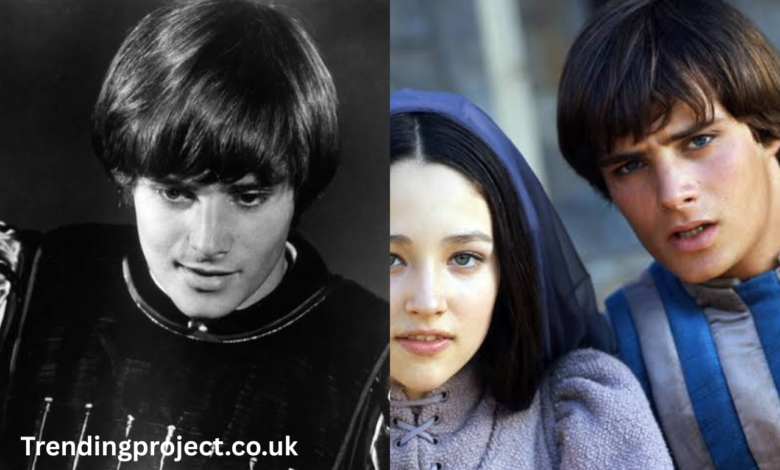
The biggest breakthrough of Leonard Whiting’s career arrived in the late 1960s when acclaimed Italian director Franco Zeffirelli searched for fresh young actors to portray Romeo and Juliet. Hundreds of hopeful performers auditioned over several months, but Zeffirelli believed Whiting possessed exactly the qualities Shakespeare had imagined. The director famously described him as having a gentle, idealistic appearance that perfectly matched Romeo’s romantic character. Out of nearly 300 young actors, Leonard earned the role that would define his career forever.
Released in 1968, Romeo and Juliet became one of the most successful Shakespeare adaptations ever made. Starring opposite Olivia Hussey, who played Juliet, Leonard delivered a heartfelt and emotionally convincing performance that resonated with audiences across generations. Their natural chemistry, youthful innocence, and believable romance helped introduce Shakespeare to millions of younger viewers who may never have experienced his work otherwise. Critics praised the film for making a centuries-old story feel fresh, authentic, and emotionally powerful.
The film became both a commercial and critical success around the world. Leonard’s performance earned him the Golden Globe Award for New Star of the Year – Actor in 1969, while he and Olivia Hussey also shared the prestigious David di Donatello Golden Plate Award. Even today, film historians frequently rank Zeffirelli’s adaptation among the finest Shakespeare films ever produced, and Leonard Whiting’s Romeo remains one of cinema’s most recognizable portrayals of the famous character.
Major Career Highlights
- Starred as Romeo in Romeo and Juliet (1968).
- Won the Golden Globe Award for New Star of the Year – Actor (1969).
- Shared the David di Donatello Golden Plate Award with Olivia Hussey.
- Became an internationally recognized face of Shakespeare on film.
Expanding His Film and Television Career
Following the enormous success of Romeo and Juliet, Leonard Whiting quickly became one of Britain’s most promising young actors. Rather than being limited to romantic roles, he accepted a variety of film projects that allowed him to explore different genres and characters. In The Royal Hunt of the Sun (1969), he appeared alongside respected actor Robert Shaw, demonstrating that he could perform effectively within large historical dramas.
He continued building his résumé with films including Giacomo Casanova: Childhood and Adolescence, Say Hello to Yesterday, and Frankenstein: The True Story. The latter television production featured an impressive cast that included James Mason, John Gielgud, Jane Seymour, Ralph Richardson, and David McCallum. Playing Victor Frankenstein allowed Whiting to move beyond romantic leading-man roles and showcase greater dramatic range.
Although Hollywood expected him to become a long-term leading man, Leonard often preferred artistic projects over commercial fame. Throughout the 1970s, he balanced film work with theatre productions, proving that he remained committed to acting as an art rather than simply pursuing celebrity status. His willingness to choose meaningful roles helped earn respect from fellow performers and theatre professionals, even if it meant appearing less frequently in mainstream cinema.
Later Career, Theatre Work, and Voice Acting
After achieving worldwide recognition through Romeo and Juliet, Leonard Whiting deliberately chose a career that balanced film, television, and live theatre rather than chasing constant Hollywood fame. While many expected him to become one of Britain’s biggest leading men, he often selected projects based on artistic value instead of commercial appeal. This decision meant that he appeared less frequently in blockbuster productions, but it also allowed him to develop as a versatile performer who was comfortable across multiple forms of entertainment.
During the 1970s, Whiting remained active in stage productions and television. One of his most notable theatrical achievements came when he starred in Joseph and the Amazing Technicolor Dreamcoat, playing Joseph in Andrew Lloyd Webber and Tim Rice’s popular musical. His background as both an actor and singer made him well suited for musical theatre, and audiences appreciated his ability to combine dramatic acting with strong vocal performances. These stage roles demonstrated that his talents extended well beyond the romantic image established by Romeo.
Leonard also explored voice acting and narration, lending his voice to creative projects including The Alan Parsons Project’s musical adaptation of Tales of Mystery and Imagination – Edgar Allan Poe. Although he gradually stepped away from mainstream acting during the 1980s and 1990s, his reputation as a respected performer remained intact. Fans continued to celebrate his classic performances, and his work became increasingly appreciated by new generations discovering classic cinema.
Notable Film and Television Appearances
Some of Leonard Whiting’s most recognized screen performances include:
- Romeo and Juliet (1968) – Romeo Montague
- The Royal Hunt of the Sun (1969)
- Say Hello to Yesterday (1971)
- Giacomo Casanova: Childhood and Adolescence (1969)
- Frankenstein: The True Story (1973)
- Social Suicide (2015) – a modern adaptation inspired by Shakespeare’s classic tragedy.
Awards, Recognition, and Lasting Influence
Winning the Golden Globe Award for New Star of the Year – Actor in 1969 marked the beginning of Leonard Whiting’s international recognition. At a remarkably young age, he joined an impressive list of actors who had been honored for exceptional breakthrough performances. His portrayal of Romeo earned praise for its emotional honesty, youthful energy, and believable chemistry with Olivia Hussey, qualities that continue to attract viewers decades after the film’s original release.
In addition to his Golden Globe, Whiting shared the prestigious David di Donatello Golden Plate Award with Olivia Hussey for their performances in Romeo and Juliet. The film itself received multiple Academy Award nominations and won Oscars for Best Cinematography and Best Costume Design, further cementing its place in cinematic history. Leonard’s contribution remains one of the defining elements of the film’s enduring popularity.
Film historians frequently describe Zeffirelli’s adaptation as one of the finest Shakespeare films ever produced. More than fifty years later, schools, universities, and film festivals continue to screen the movie, introducing Leonard Whiting’s performance to entirely new audiences. His interpretation of Romeo has influenced countless actors portraying the character on stage and screen, making his legacy an important part of Shakespearean cinema.
Personal Life, Family, and Life Beyond the Spotlight
Unlike many actors who spent their lives in the constant glare of Hollywood publicity, Leonard Whiting chose a much quieter path. Despite becoming one of the world’s most recognizable young actors after Romeo and Juliet, he largely kept his private life away from newspapers and television interviews. Friends and colleagues have often described him as thoughtful, humble, and deeply appreciative of the opportunities he received throughout his career. Rather than pursuing celebrity status, he focused on family, creative work, and living a more balanced life.
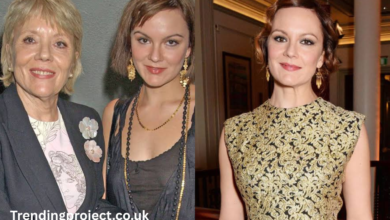
Leonard married Lynn Presser, and together they built a family away from the pressures of international fame. The couple has two daughters, one of whom, Charlotte Westenra, has established a successful career in theatre as a writer, director, and producer. Whiting has expressed pride in seeing the next generation embrace storytelling and the performing arts, demonstrating that creativity has remained an important part of the family’s identity.
Although Leonard rarely gives interviews today, those who have met him often describe him as warm, approachable, and grateful for the affection that fans continue to show him. Even decades after his most famous role, he regularly receives appreciation from movie lovers who grew up watching Romeo and Juliet. His willingness to connect with admirers at film events and anniversaries reflects his genuine appreciation for the audience that has supported him throughout his career.
Net Worth and Sources of Income
Leonard Whiting has enjoyed a long and varied career in entertainment, although he never pursued the commercial path taken by many of his contemporaries. As of 2026, his estimated net worth is between $1 million and $3 million. Since he has not publicly disclosed his finances, this figure is based on industry estimates, his acting career, theatre work, television appearances, voice acting, and royalties associated with his best-known performances.
A significant portion of Whiting’s professional reputation—and likely his long-term earnings—comes from the continued popularity of Romeo and Juliet (1968). The film remains widely distributed on DVD, Blu-ray, streaming services, and educational platforms around the world. As one of the most frequently studied Shakespeare adaptations, it continues to introduce his performance to new audiences every year, ensuring that his contribution to cinema remains relevant.
Beyond film royalties, Leonard has earned income through theatre productions, television roles, public appearances, and voice acting. Although he never became one of Hollywood’s highest-paid actors, his career reflects artistic longevity rather than commercial excess. His financial success is built on decades of respected work rather than constant media exposure.
Main Sources of Income
- Film acting
- Television appearances
- Theatre productions
- Voice acting
- Royalties and licensing from classic films
- Guest appearances and film-related events
Social Media Presence and Public Engagement
In today’s digital world, many celebrities maintain an active presence on Instagram, X (formerly Twitter), Facebook, and other platforms. Leonard Whiting has taken a different approach. He does not maintain any verified public social media accounts, preferring to live a private life rather than sharing personal updates online.
Even without social media, Leonard’s work continues to thrive across the internet. Film enthusiasts frequently discuss his performances on movie forums, fan pages, and classic cinema communities. Clips from Romeo and Juliet are widely shared, while articles and documentaries continue to celebrate his contribution to Shakespearean cinema. His enduring popularity demonstrates that lasting artistic influence does not always require a constant online presence.
Fans who wish to learn more about Leonard Whiting usually discover him through classic film festivals, interviews, documentaries, and educational discussions surrounding Shakespeare adaptations. His reputation has remained remarkably strong because it is based on the quality of his work rather than frequent publicity or social media engagement.
Recent Updates and Ongoing Legacy
In recent years, Leonard Whiting returned to public attention following legal action filed alongside his former co-star Olivia Hussey against Paramount Pictures concerning the filming of nude scenes in Romeo and Juliet. The lawsuit, filed in late 2022, alleged abuse and fraud related to their participation in the production while they were minors. The case was dismissed in 2023, and a subsequent related lawsuit was also dismissed in 2024. These legal proceedings renewed public discussion about child actor protections and industry standards in filmmaking.
Despite the controversy, Leonard’s artistic legacy continues to be defined primarily by his remarkable performance in Zeffirelli’s film. Film critics, educators, and Shakespeare scholars consistently rank his portrayal among the finest interpretations of Romeo ever captured on screen. More than half a century after its release, the film remains required viewing in many literature and film studies courses around the world.
Although Leonard Whiting now lives a largely private life, his influence on classic cinema remains secure. Every new generation that discovers Shakespeare through Zeffirelli’s adaptation also discovers Leonard’s sincere, emotional, and unforgettable performance. His work continues to inspire aspiring actors and filmmakers who admire authentic storytelling and timeless performances.